Should I force a sticking key?
Avoid forcing it. A bent or broken key adds another problem. Describe the resistance and whether a spare behaves differently, then arrange an assessment of the key, cylinder and door fit.

Sticking, loose or unreliable hardware
A lock that sticks is not always a failed lock. The key, cylinder, latch, hinges, strike and door frame work together. LockReach reviews Baltimore lock-repair requests by asking how the problem behaves, what changed and whether the entrance can currently be secured. The aim is to match the repair to the actual fault.
443-645-4039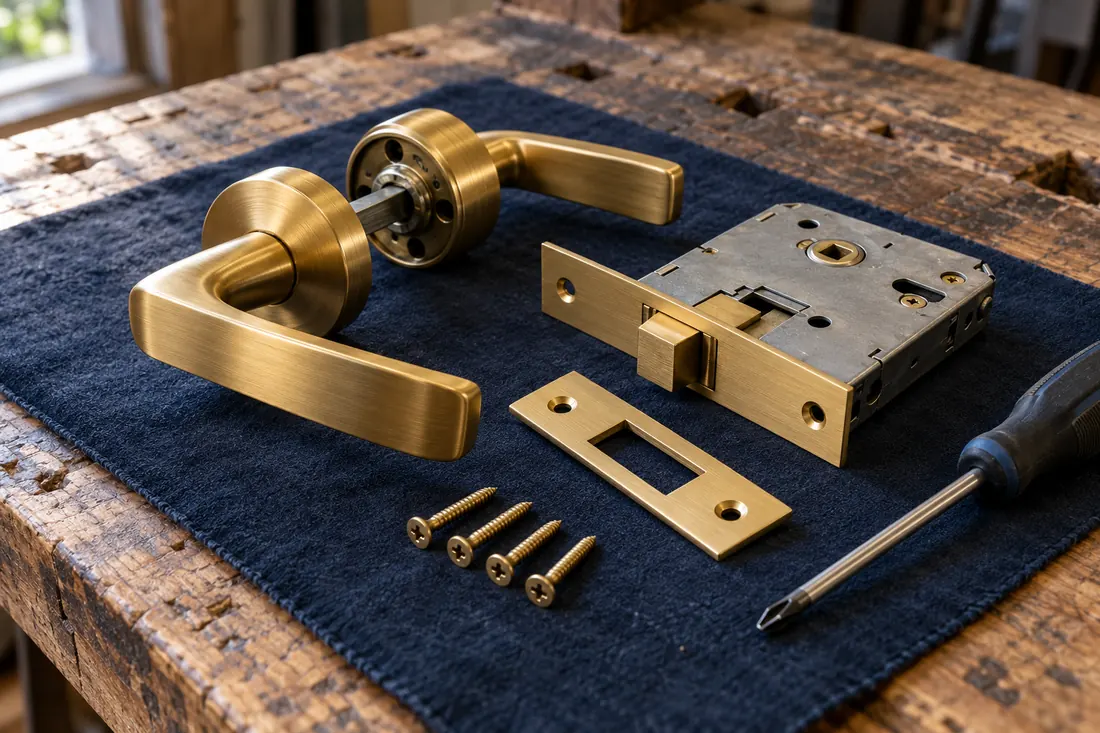
Does the deadbolt turn smoothly with the door open but resist when closed? Is one key unreliable while a spare works? Does the handle feel loose even though the latch moves? These observations are useful during the first call. Avoid forcing the mechanism or applying an unfamiliar product to the cylinder; some products can interfere with the hardware or its manufacturer’s care instructions.
Baltimore rowhouses can have older mortise hardware, newer deadbolts or several generations of alterations. The visible lock face may not reveal the full preparation in the door. In a historic-looking entry, ask whether useful hardware can be retained and whether a proposed replacement would require new holes or leave old openings visible. Building or owner requirements should be checked before irreversible alterations are authorized.
A lock repair cannot solve every damaged frame, warped door or failed closer. A commercial entrance might also involve a connected release or exit device. Be clear about what the locksmith can assess and which work may belong to a door contractor, property-maintenance team or another specialist. If an opening cannot be secured, say so immediately so temporary options can be discussed without assuming a permanent repair is available.
After an adjustment or component repair, test the door through a normal close, lock and unlock cycle. Test the approved keys rather than relying only on an open-door demonstration. Ask which parts changed, whether an underlying fit problem remains and what maintenance guidance applies to that hardware. Replacement may be appropriate when the existing parts are damaged, unsupported or no longer dependable.
A useful distinction
The lock, latch, hinges, strike and frame need to work together. Explain whether the lock behaves differently when the door is open and when it is closed. That detail helps focus the assessment.
More practical answers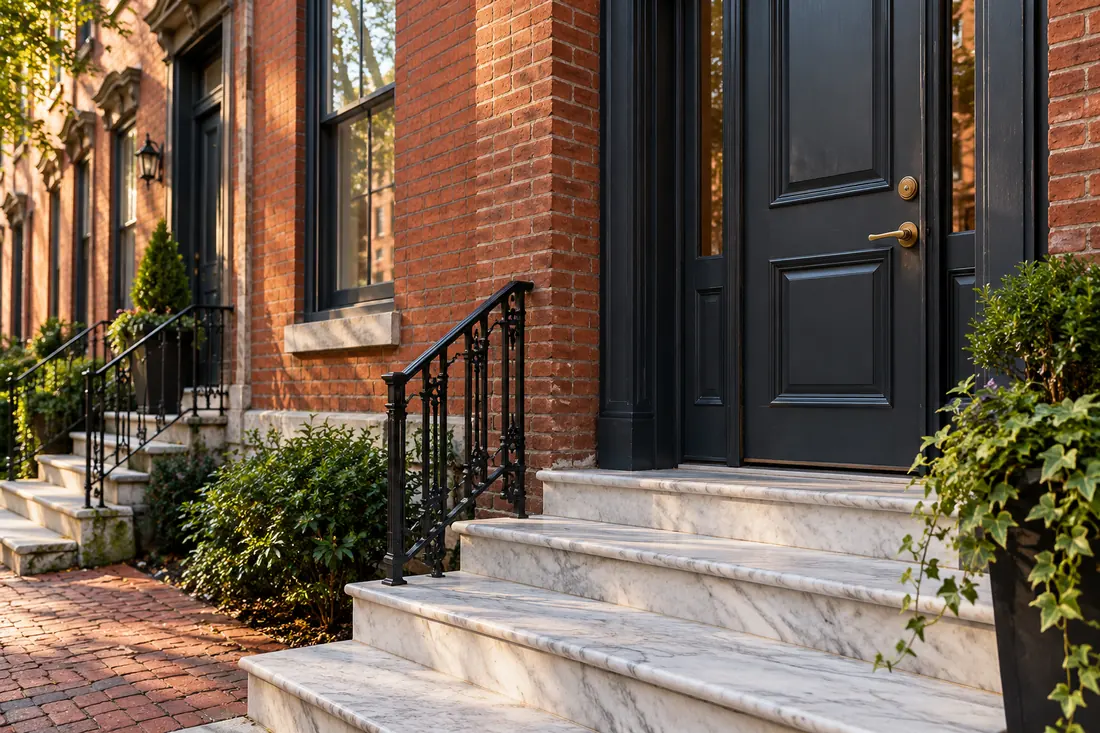
Before work begins
Describe the requested result and ask what the estimate covers. Parts, labor and any additional work should be clear before you authorize the job. If inspection changes the diagnosis, review the revised scope first.
Understand the estimateSpecific to this service
Avoid forcing it. A bent or broken key adds another problem. Describe the resistance and whether a spare behaves differently, then arrange an assessment of the key, cylinder and door fit.
Possibly, depending on its condition, design and parts availability. Photos and an inspection help establish the options. Do not assume a modern replacement will fit without changes to the existing door.
Tell us what happened and where you are in Baltimore. Confirm availability, the proposed work and the estimate before a visit.