Start with the door that is causing trouble
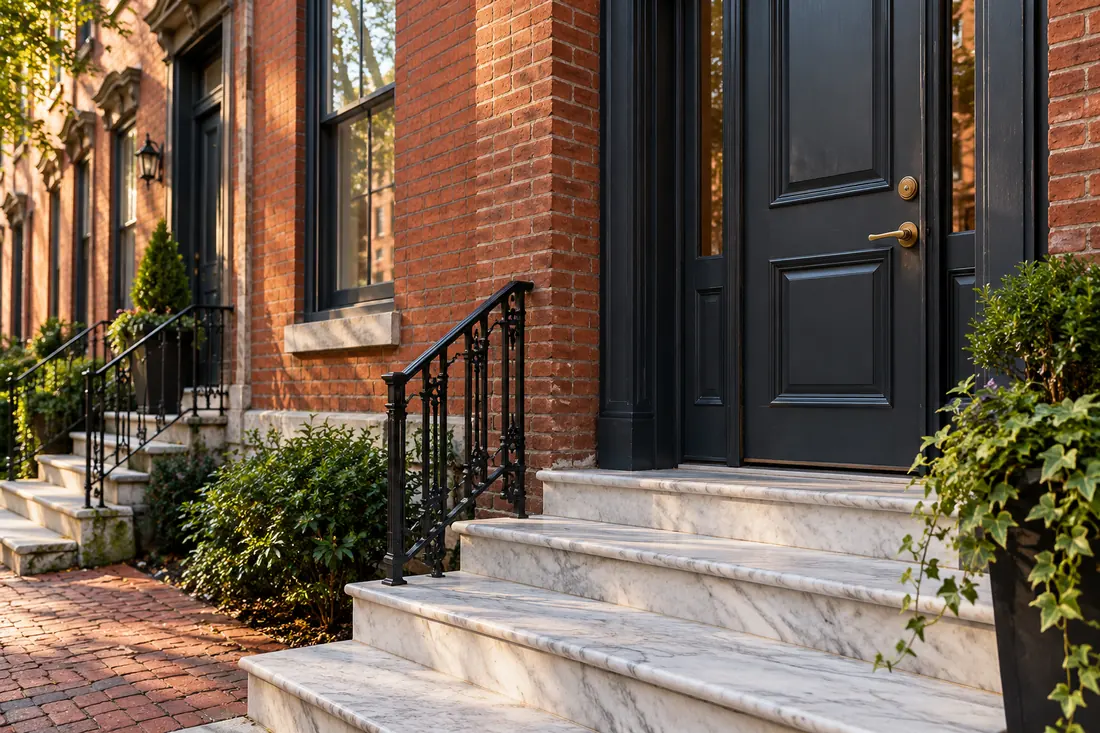
At a rowhome, the front entrance may have a deadbolt and a handle lock, while a rear door uses different hardware. Tell us which one is affected and what happens when you try the key. Does the key refuse to turn, turn without releasing the door, or work only when the door is pulled into position? Those details help distinguish a key or cylinder issue from worn hardware or a door that needs attention. The age of a Federal Hill home alone does not tell you whether its lock needs replacing. A visit can establish the condition and suitable options.
Make a key plan when you move
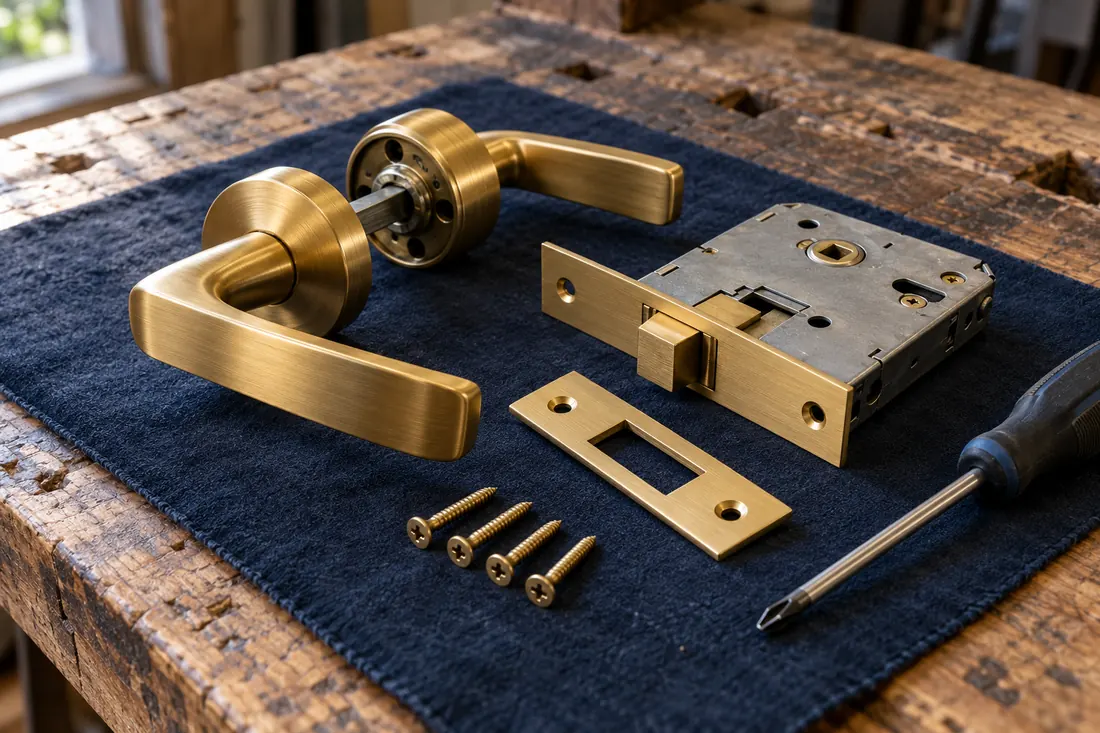
After a move, it helps to list the doors you actually use before arranging changes. Include the front door, rear entrance and any separately locked access that belongs to your home. Rekeying may be an option for a usable compatible lock when the goal is to change which key operates it. Replacing hardware addresses a different need, such as damage or a change in function. If you rent, coordinate with the owner or manager before altering locks. In a building with shared access, changing your unit lock does not automatically address the building entrance or everyone else's keys.
Separate shop access from staff key control
Businesses near Cross Street Market and along Federal Hill's shopping streets can have more than one type of access problem. A lost staff key calls for a discussion about who still has access; a door that will not latch calls for an assessment of the door and hardware. Describe whether the affected entrance is for customers, staff or deliveries. Have an authorized contact available to explain the issue and approve any work. If the building owner controls the exterior door, make that clear when calling. Availability, suitable hardware and the scope of the visit are confirmed for the actual address.