Keep an independent shop's access details clear
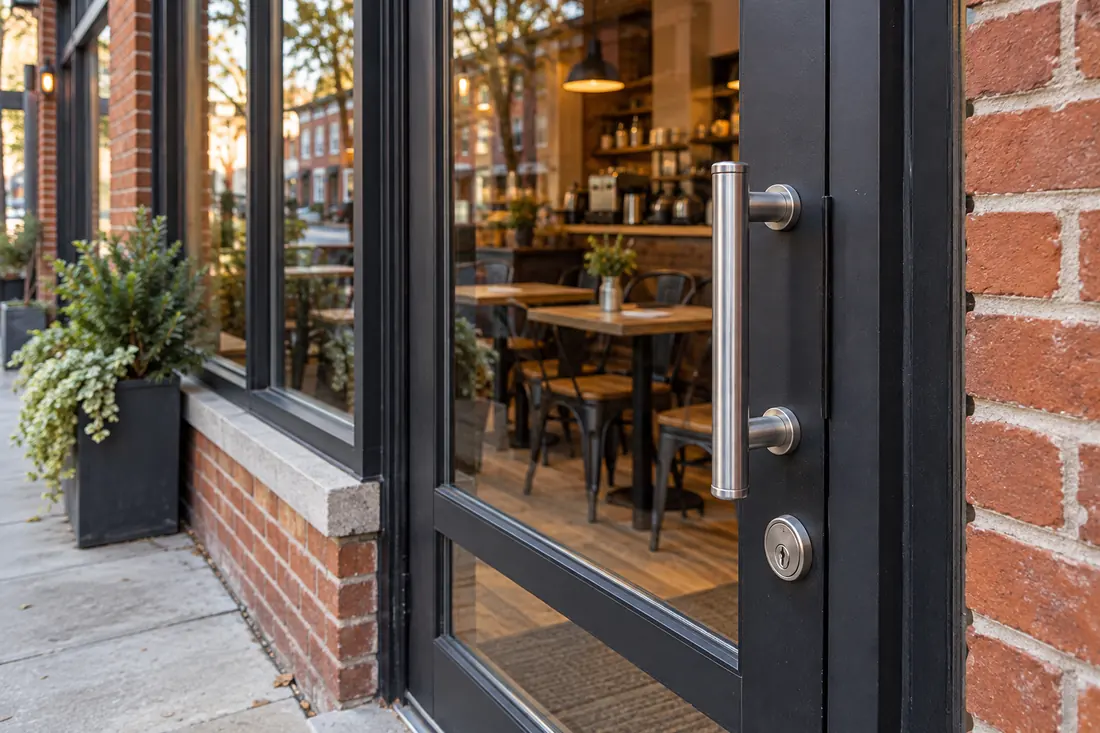
For a business on or near The Avenue, identify whether the problem is at the customer entrance, a staff door or a separately managed part of the building. A key that is missing after a handover is different from a door that no longer closes or latches properly. Describe what you can still open and have the person authorized to approve work available. If the property owner controls the exterior hardware, include that contact in the arrangements. This gives the conversation a useful starting point before deciding whether rekeying, repair or another supported service is appropriate.
Do not let a dragging door hide the real problem
Homes in an older neighborhood can have a mixture of original and newer doors and locks. A lock that is awkward to operate does not automatically need a new cylinder. Tell us whether the key turns normally, whether the handle releases the latch and whether lifting or pulling the door changes the behavior. If the door is open, mention that when calling. These observations help describe the issue; they are not a request to force or dismantle anything. Condition, alignment and hardware compatibility can all influence the proposed work. The visit should address the specific problem rather than rely on the building's age.
Prepare useful details for a vehicle request
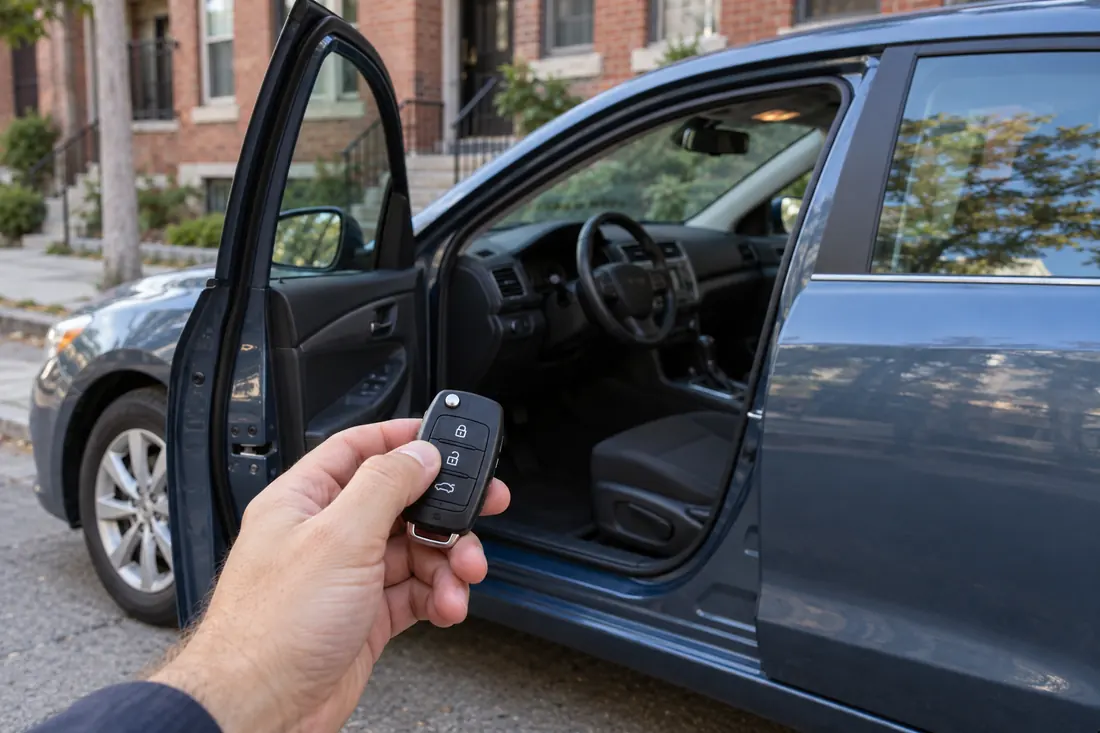
If your vehicle is parked near 36th Street, give the actual street or parking location and the nearest identifiable entrance. Explain whether the keys are visible inside, have been misplaced or are damaged. A car lockout is different from making another key, and vehicle support cannot be assumed from the word 'automotive' alone. For replacement keys or fobs, provide the year, make and model and say whether a working spare exists. If parking access is controlled, explain how an authorized visitor can reach the vehicle. Confirm current availability and any location constraints when arranging the service.