Find out who controls the affected entrance
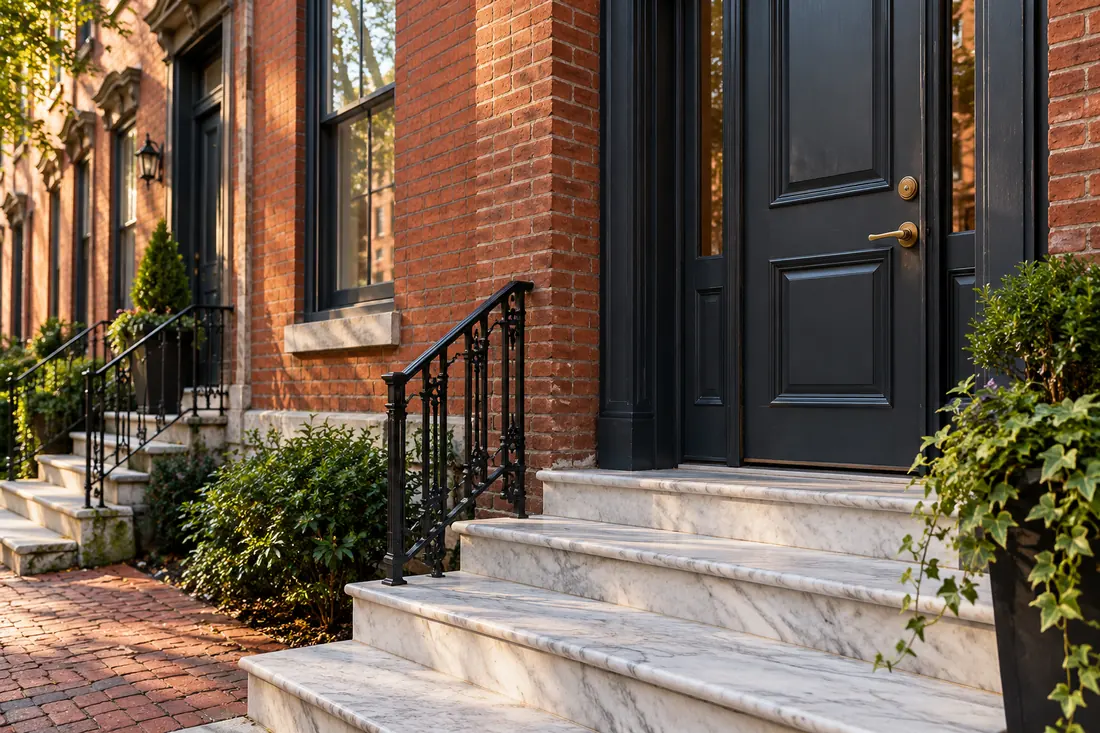
In a building with several units, a key for your residence may be separate from the shared front door or an electronic building credential. Explain which part of the route into your home is blocked. If you can enter the building but cannot open your unit, say that. If everyone is having trouble at the shared entrance, contact the manager or owner as part of the arrangements. Changes to shared access can affect other occupants. Having the responsible person available helps establish the request, the permitted scope and how access to the property will be coordinated.
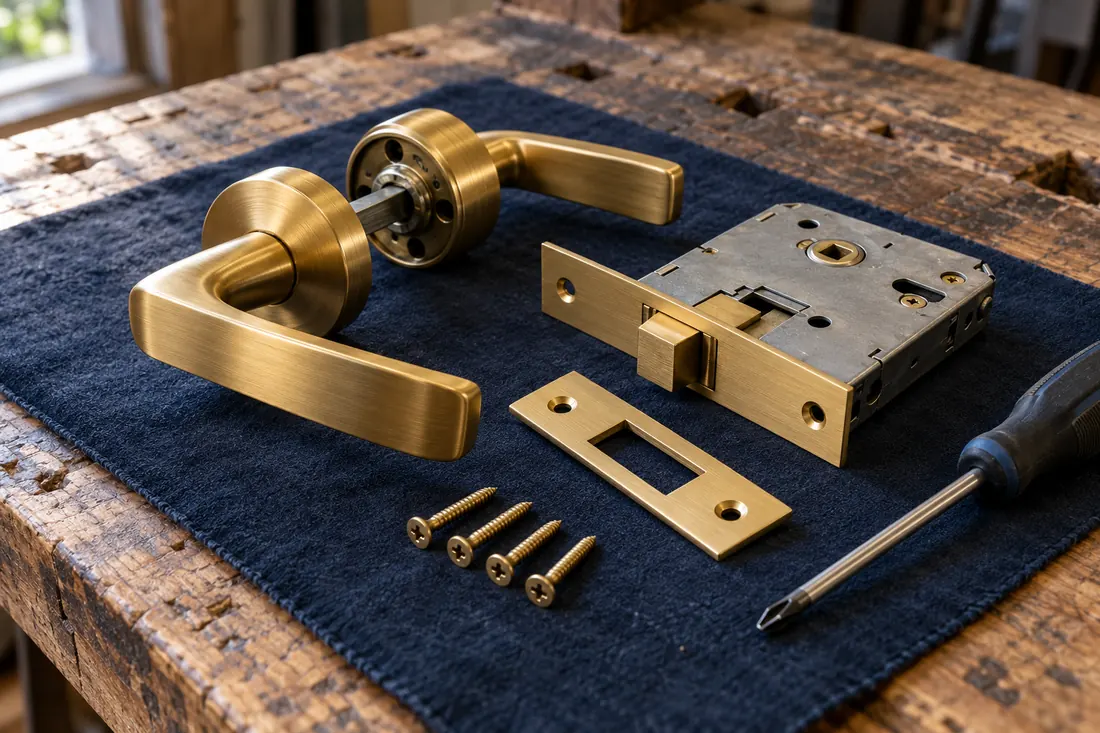
Describe an older lock by what it does
Mount Vernon's historic setting does not mean every door has the same hardware, or that an older-looking lock needs replacement. A key that is difficult to turn, a handle that feels loose and a door that rubs the frame are different symptoms. Tell us when the problem started and whether it happens with another working key. If the door is already open, mention whether the lock behaves differently in that position. Avoid repeatedly forcing a key or handle that is resisting. The condition of the lock and its fit on the door guide the repair or replacement discussion.
Coordinate office and shop work with the building
A small office or shop may manage its own suite while relying on a building owner for the main entry. Before arranging work, identify the door, the hardware issue and the person who can approve changes. For lost staff keys, list the doors those keys operated rather than assuming every lock in the property must be replaced. If retaining existing hardware is important, include that in the conversation. Specific capability, arrival arrangements and pricing are confirmed for the job. Nearby museums, hotels and other landmarks can help describe the area, but they do not identify the entrance or establish permission to work there.