Start with the existing preparation
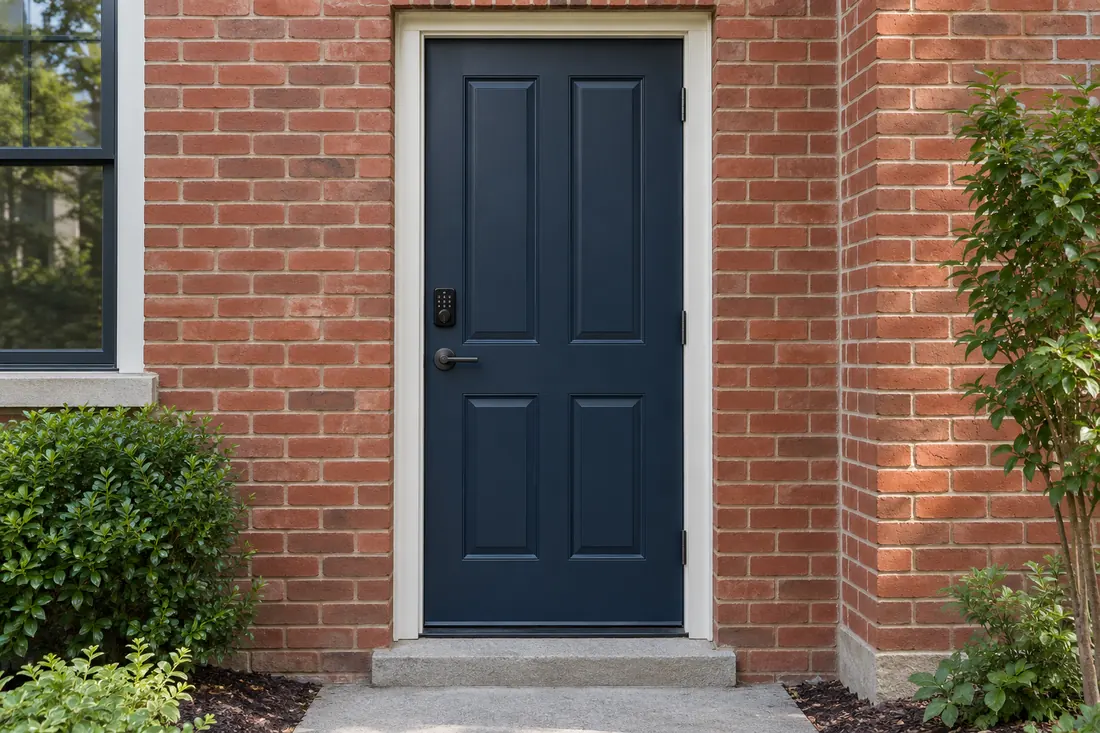
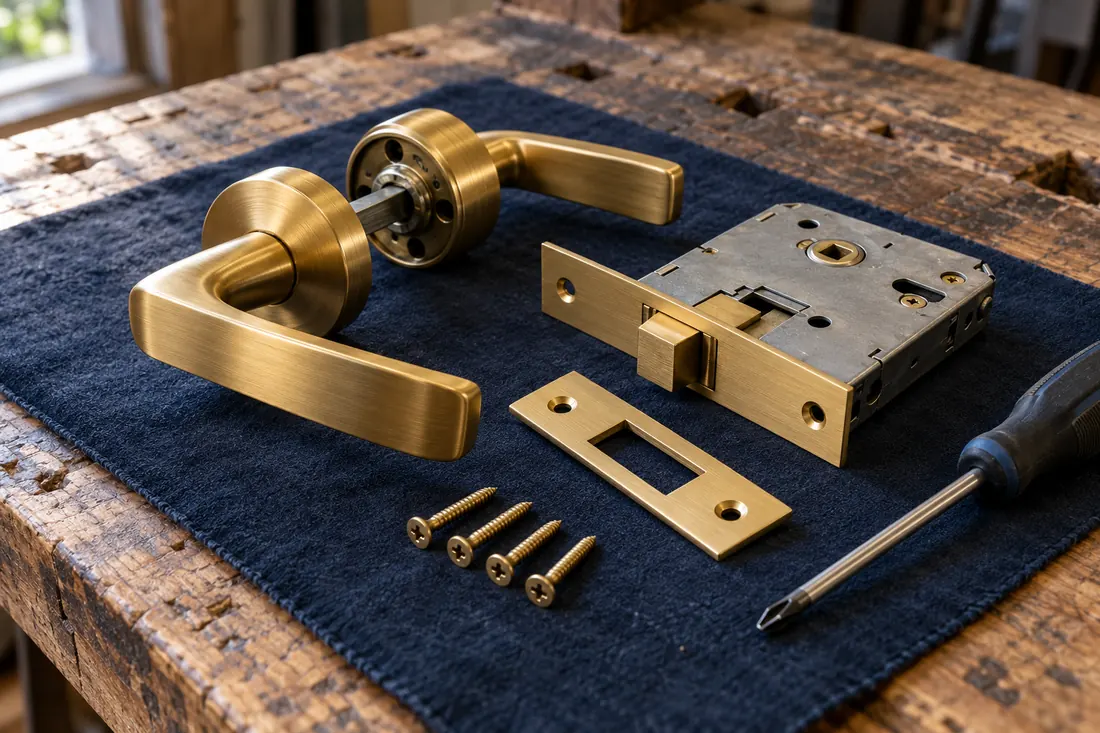
Door thickness, backset, bore size, handing and the edge preparation affect fit. A product that looks similar can still need different openings or a different strike position. If you want to retain the appearance of an older Baltimore entry, discuss visible plates, finish and any new drilling in advance. A full-door view and clear hardware identification can help make the initial conversation more useful.
A keypad needs an access plan
For a compatible keypad or smart lock, think about daily use as well as appearance. Who controls the administrator account? How are guest codes removed? What is the battery plan and the permitted backup-entry method? Confirm whether the requested product needs a separate bridge or a specific home system. Locksmith installation does not automatically include configuring an unrelated network or repairing a manufacturer’s app.
Let the building’s purpose guide the choice
A private house door and a busy storefront experience different use. Shared entrances may have property-management requirements or interact with other access equipment. The person authorizing the change should confirm the intended operation and any building restrictions before the visit. Avoid buying hardware solely because it is labeled high security or heavy duty; suitability depends on the complete opening and the supported installation.
Test the complete result
The finished lock should be checked with the door both open and closed, using every agreed key or code. Confirm that ordinary entry and exit work as intended, that the door is not being forced into alignment and that instructions for the supplied product are available. If the door or frame needs work beyond the agreed installation, have that limitation recorded and arrange the appropriate follow-up.