Plan keys around the doors you use
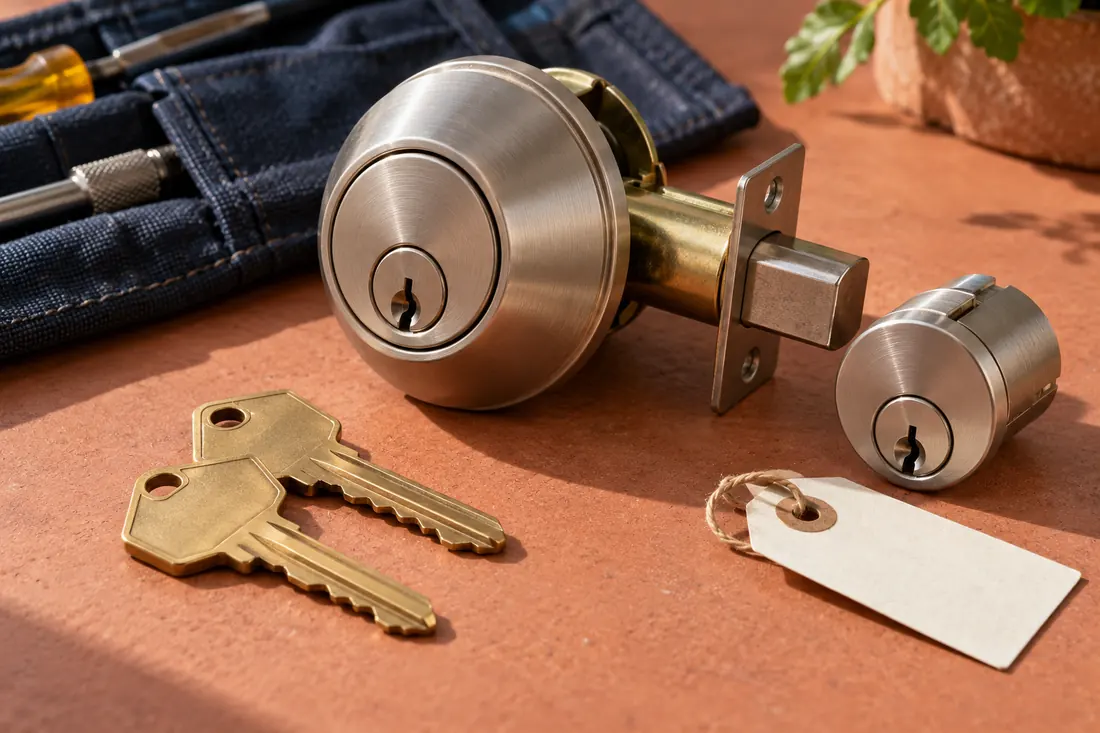
Canton's brick and Formstone rowhouses give many blocks a recognizable character, but the locks on those homes can differ considerably. If you have just moved in, make a list of the exterior doors and note which keys operate each one. Tell us whether the goal is to change key access, reduce the number of keys you carry or replace damaged hardware. Existing locks may not all accept the same key system. The condition and compatibility of the hardware determine the options. For a rented home, agree on the plan with the owner or manager before arranging changes to the doors.
For a business, describe the whole entry problem
A shop around O’Donnell Square may use a different entrance for customers than it does for staff or deliveries. Explain which door is affected and whether it is stuck open, locked closed or failing to latch normally. That information matters more than choosing a service name before the problem is understood. If the issue is a missing key after a staff change, identify the locks that key operated and the person authorized to approve changes. If another party manages the building's exterior access, involve them in the arrangements. Availability and support for the particular hardware should be established before the visit.
Pinpoint a vehicle instead of naming a shopping destination
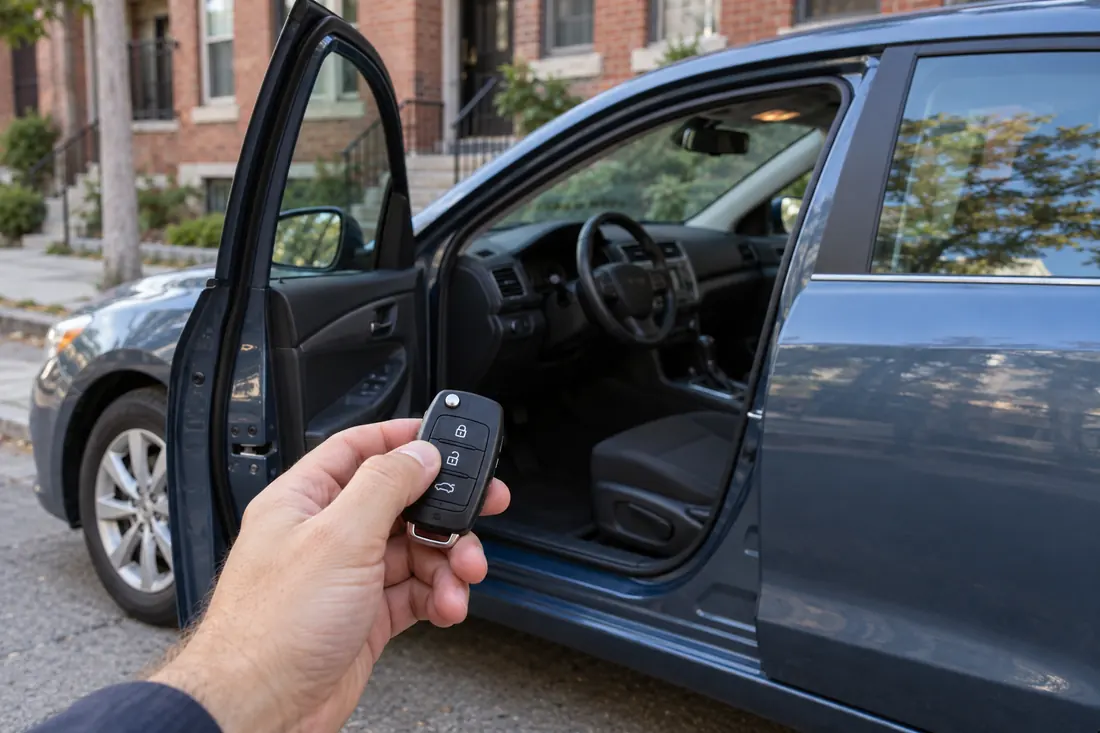
A car-key request near Canton Crossing or Boston Street needs an exact vehicle location, not just the name of the area. Give the parking entrance, level or section where relevant, and keep the vehicle description ready. Also explain whether a key is locked inside, a spare exists elsewhere or every key is missing. Unlocking a car and supplying a replacement key are different jobs. For key replacement, year, make, model and key type help establish whether the request can be supported. Do not assume that two cars of a similar age use the same key or programming process.