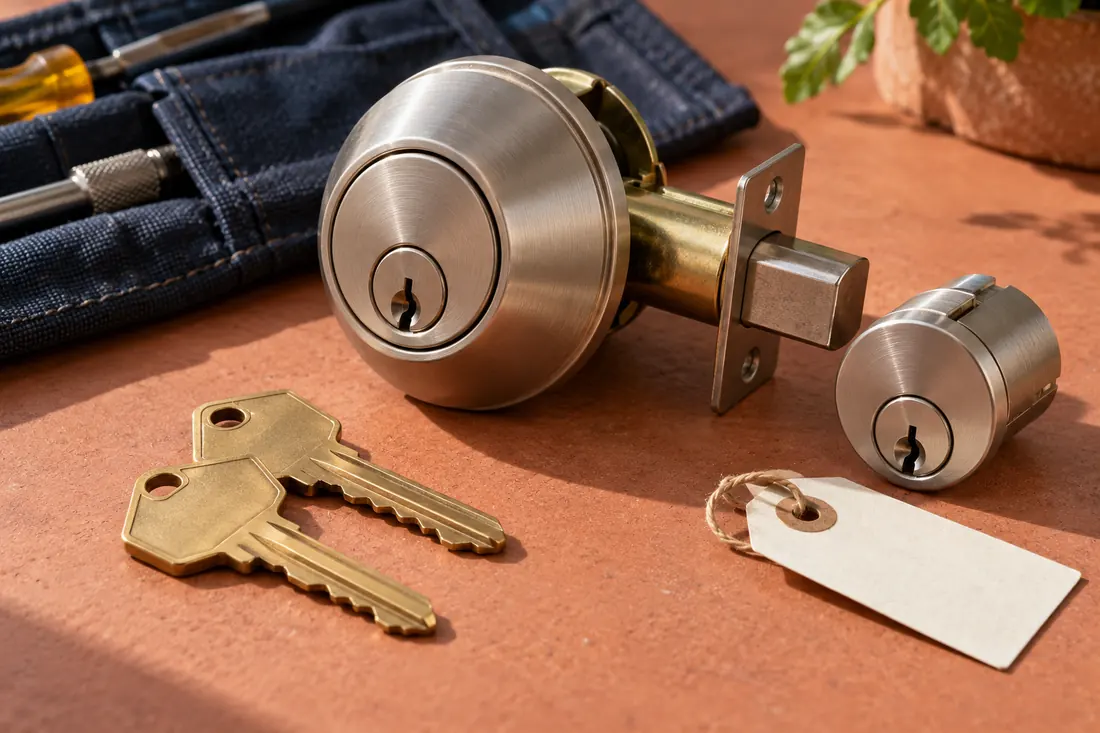
Make rental handovers about the whole key arrangement
When a tenant or roommate moves, start with a list of the access points involved: the unit door, a shared entry and any separately controlled rear door. Explain which keys are missing, which keys still work and who manages each lock. Rekeying a suitable lock changes its key access, but it does not automatically update a building's shared access or electronic credentials. Coordinate with the owner or manager before arranging changes. Having a clear list helps avoid leaving an overlooked door out of the conversation or requesting work on hardware controlled by someone else.
Keep the home and the building distinct
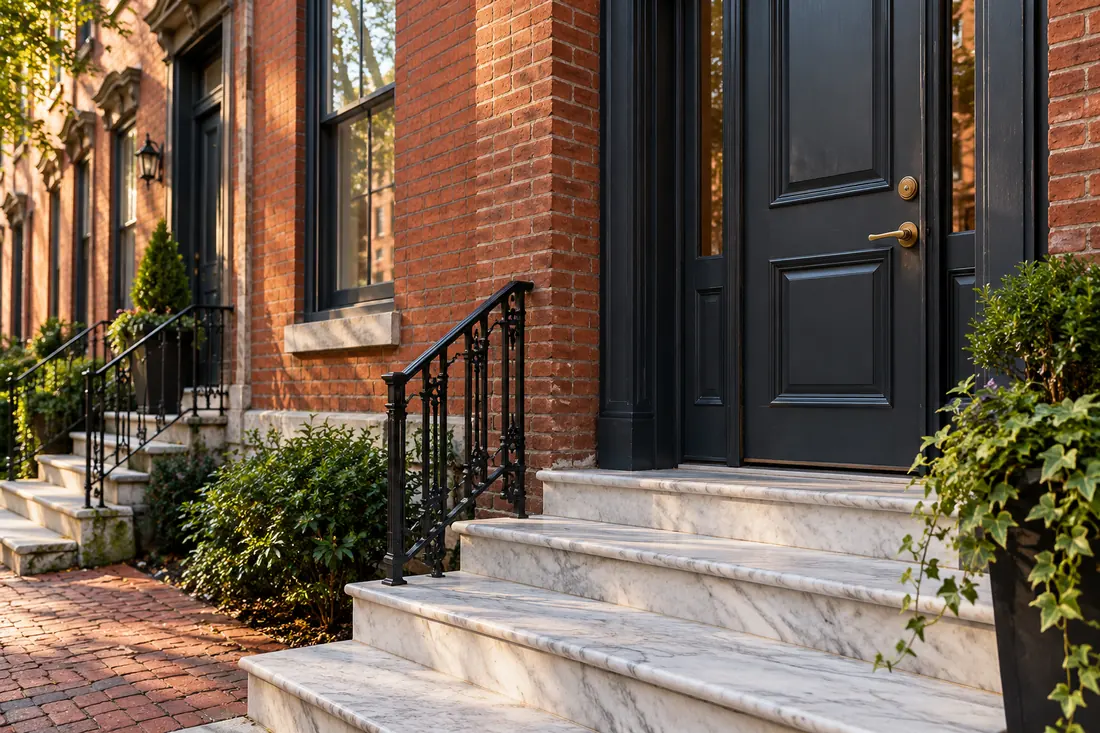
Charles Village has rowhomes, apartments and other housing types, so the useful details depend on the particular address. If you can enter a shared hallway but not your residence, identify the unit door. If the building entry is the problem, explain that instead. Describe whether the lock is refusing the key, the key turns without opening the door, or the handle is not working normally. Those symptoms can point toward different assessments. Avoid assuming that an older decorative door requires an entirely new lock. Condition, compatibility and the owner's preferences should be part of the discussion before work is approved.
Use the right campus-area location
Homewood and the East Baltimore medical campus are different places. If a car-key or lockout request is near Charles Village, give the actual address or parking location rather than saying only 'near Hopkins.' For a car, include its year, make and model, whether a working key remains and how the parking area is accessed. For university-managed housing or another institution's building, start with its designated management contact and follow its access arrangements. LockReach does not imply affiliation with Johns Hopkins or permission to work on institutional property. A visit must be coordinated with the person responsible for the affected access.