A historic building can have several different entrances
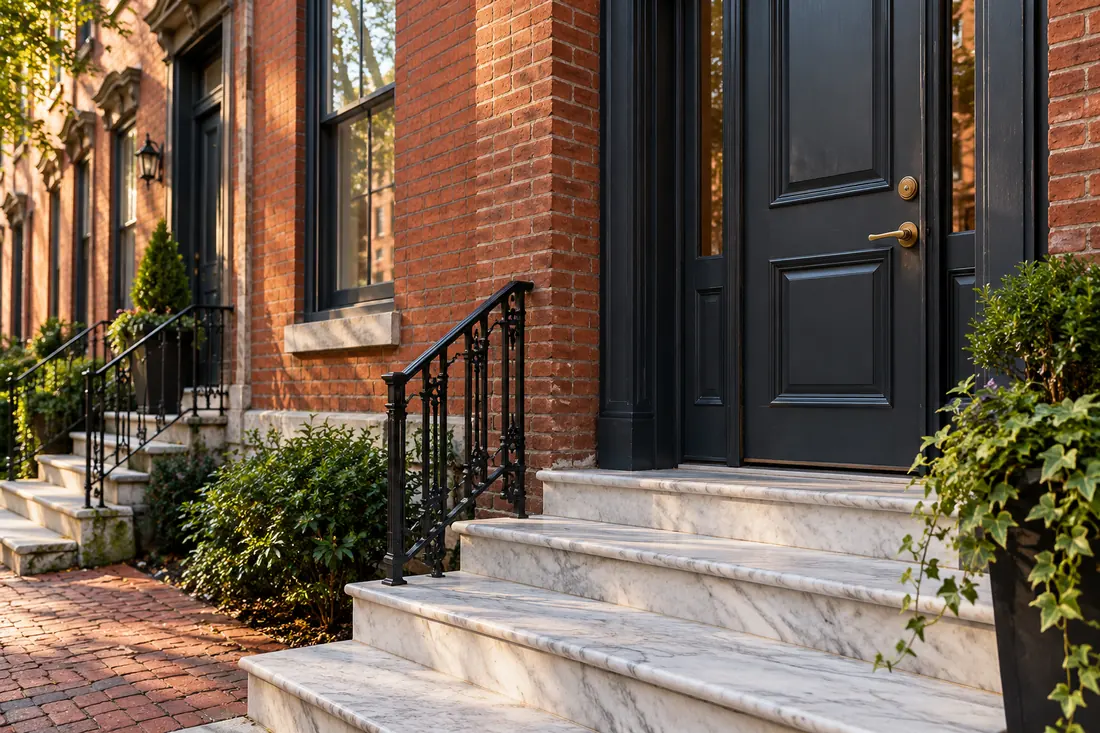
A street-level shop, an upstairs residence and a shared building entry are not necessarily controlled by the same person. When calling from Fell’s Point, explain which door needs attention and whether you can reach the rest of the property. Include the unit number and any separate entrance instructions. Older-looking hardware is not enough to identify the problem or select a replacement. Describe its operation instead: a loose handle, a key that sticks, or a latch that will not release. An assessment can establish what is serviceable and what options fit the door, without assuming that all existing hardware must be removed.
Keep a shop door problem separate from a lost-key problem
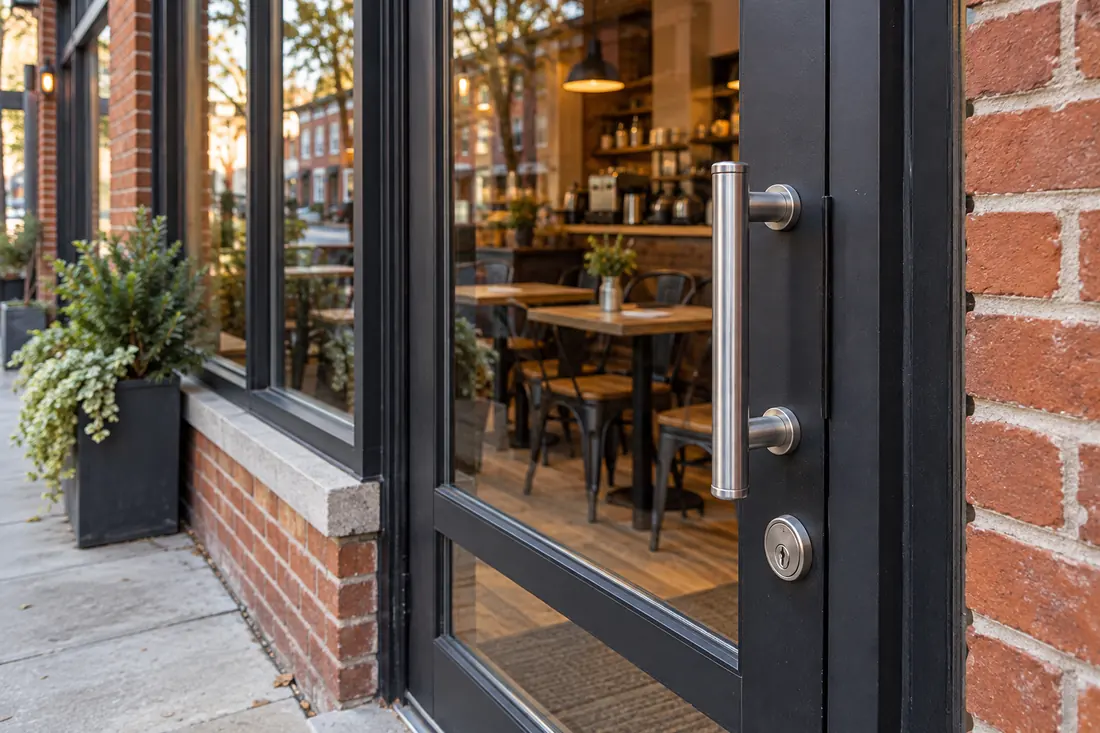
For a restaurant or shop, being unable to use an entrance may be caused by the lock, the handle or the way the door meets its frame. Tell us whether the door closes, whether the key turns and which side of the door can still be reached. If keys were lost instead, explain which locks those keys operated and who is authorized to make changes. A business contact should be available to discuss the work. If the door or access system belongs to the building owner, coordinate that first. Specific hardware support and a suitable visit are confirmed by phone.
Use a precise meeting location near the waterfront
Fell’s Point is known for its Belgian block streets and waterfront destinations, but 'near Broadway Market' is only a starting point for locating a lockout. Give the street address, entrance description and a contact number where you can be reached. For a vehicle, add the parking location and whether the keys are inside or have been lost. Those are different requests and may require different work. If you are visiting a hotel or staying in managed accommodation, contact the host or front desk about access to the accommodation. A private locksmith visit should be coordinated with the person responsible for that entrance.